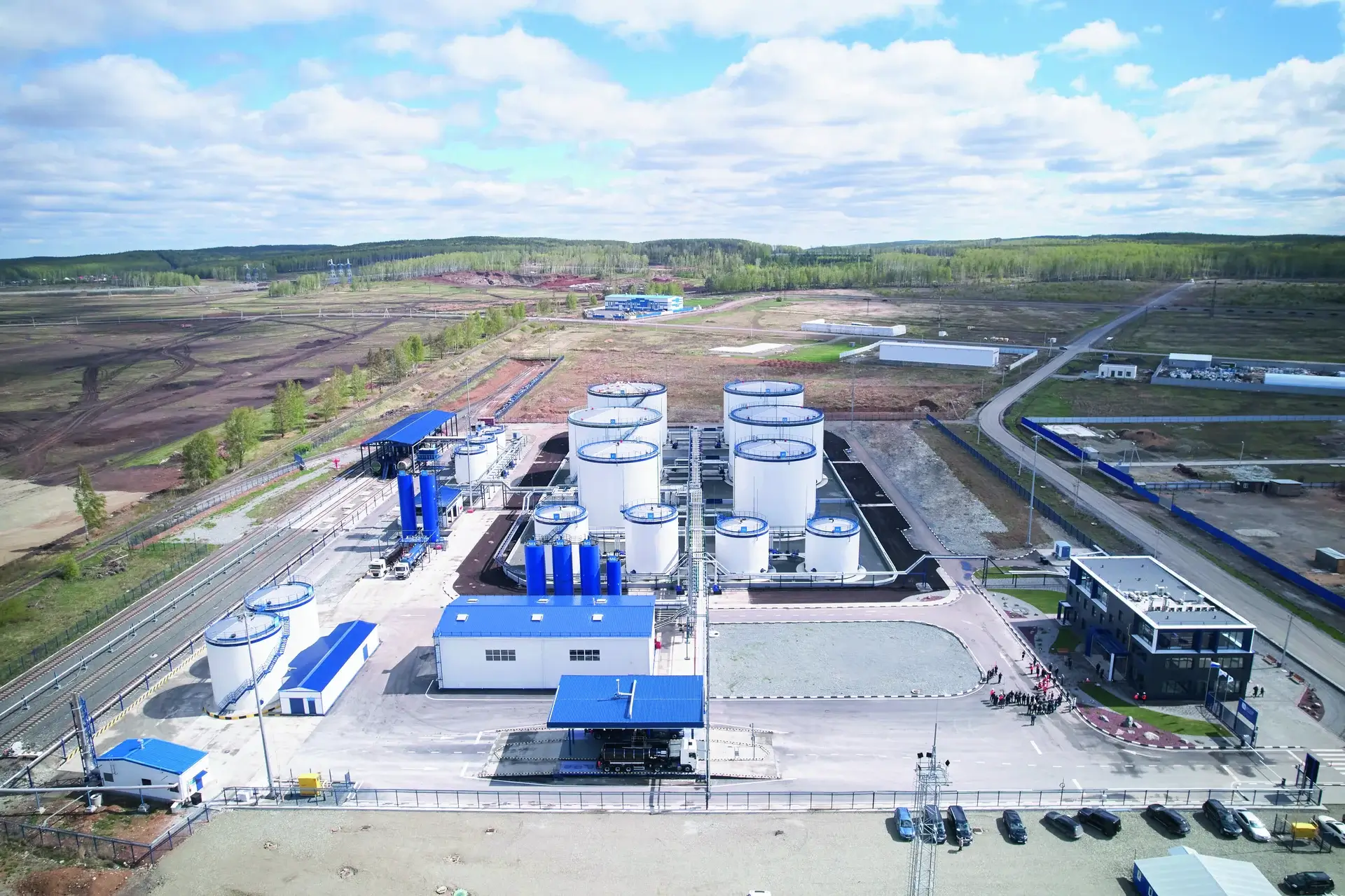
Turnkey EPC contract: design, supply and construction
Design, procurement, construction and commissioning of industrial complexes for storage, transshipment and processing of petroleum products and other viscous and solidifying media.

Design, procurement, construction and commissioning of industrial complexes for storage, transshipment and processing of petroleum products and other viscous and solidifying media.
EPC (Engineering — Procurement — Construction) is a contract model in which one contractor is responsible for design decisions, equipment supply and the construction-and-installation scope up to commissioning. For the client this removes the job of assembling the interfaces between the designer, the manufacturer, the general contractor and the automation team. At ErichHahn this model rests on its own process core: equipment for receiving, storing, heating, pumping and loading viscous media, the design scope and commissioning.
Pre-design work, a feasibility study, principal technical decisions and detailed documentation for a specific process: tank farm, loading and unloading racks, bitumen modification and oxidation units, heat circuits, piping, process control system.
Design is carried out with the later installation of the company's own equipment and the site construction scope in mind — so that drawings do not diverge from the supply and the construction schedule.
Kitting of the process core from in-house manufacture and an agreed range from partners: tanks, pump units, thermal stations, loading and unloading points, unit steelwork, instrumentation.
Contract supply includes documentation, packing, logistics and schedule control as an obligation on which the construction schedule depends.
The joint between supply and construction: equipment arrives in the configuration and sequence in which it can be installed, piped and tested.
Site preparation, foundations for tanks and equipment, frames and shelters of process units, piping, site utilities, equipment installation, testing, commissioning.
The construction scope follows the process: axes, loads, thermal expansion, fire separations and transport routes are calculated from the process.
A complex industrial facility requires synchronization of modules and processes that is hard to obtain. The designer may have specified equipment that is not in the supply. The supplier delivers a unit for which the foundation has already been poured differently. Automation arrives when field cables have been routed to another logic. In that case nobody is responsible for the commissioning date.
The EPC model makes sense when the date, the budget and process operability matter more to the client than the ability to bargain separately on each discipline. The contractor then takes the whole risk. If the facility is a one-off pump-unit supply, EPC is not needed. If the facility is a terminal with a tank farm, a rack, a heat circuit and a control system, split contracting usually becomes more expensive at the interfaces.
Your request has been sent successfully. Our specialist will contact you shortly.
We fix the source data, site constraints, operating mode, feedstock and dispatch logistics, and industrial-safety requirements. We prepare pre-design decisions (principal technical decisions) and a feasibility study, then detailed documentation in a volume sufficient for procurement and construction.
Scope at this stage: pre-design documentation (principal technical decisions); feasibility study; design of process, civil and utilities sections as one package.
Exit criterion: an agreed facility scope, an equipment specification and a construction volume against which supply and the site can be contracted.
In parallel we manufacture the process core and carry out construction. Exit criterion: an installed and piped facility, ready for individual tests.
We have our own software and a development staff for turnkey automation of your specific facility
At the start we take part in pre-design documentation, the feasibility study and working decisions for the construction scope: building footprint, loads from tanks and equipment, driveways, utility entries. The task of the stage is to remove the risk that the construction scheme diverges from the process.
Footprint preparation, survey setting-out, pits and trenches for foundations and networks, vertical grading, excavation and movement of soil, base compaction, drainage. Without this scope heavy tanks and racks cannot be set on the design axes.
Foundations for tanks, process equipment, racks and frames; reinforcement; in-situ concrete; installation of precast elements; waterproofing. This is the load-bearing part of the facility: an error here is not closed by “a more expensive pump”.
Installation of steel frames, reinforced-concrete structures, blocks and panels, roof structures, process equipment and pipelines. The package allows facilities to be delivered where construction meets engineering and process infrastructure directly: tank farm, pump units, heat circuits, loading.
Power supply, water supply and sewerage, heat networks, heating, ventilation, low-current systems within the industrial facility. Where required, automation of production operations and interfacing with the accounting and control system are carried out. The domestic building scope is included only if operation of the facility needs it, not as a separate civil service.
Shelters of process units, roofing, thermal and waterproofing, corrosion protection of steelwork, fire protection. For an industrial facility this is not “finishing”, but service life and permission to operate.
Testing of utility systems and lines, strength and tightness checks, trial starts, running-in of the process regime, personnel training, commissioning. Technical, warranty and post-warranty support then continues on a separate service scope.
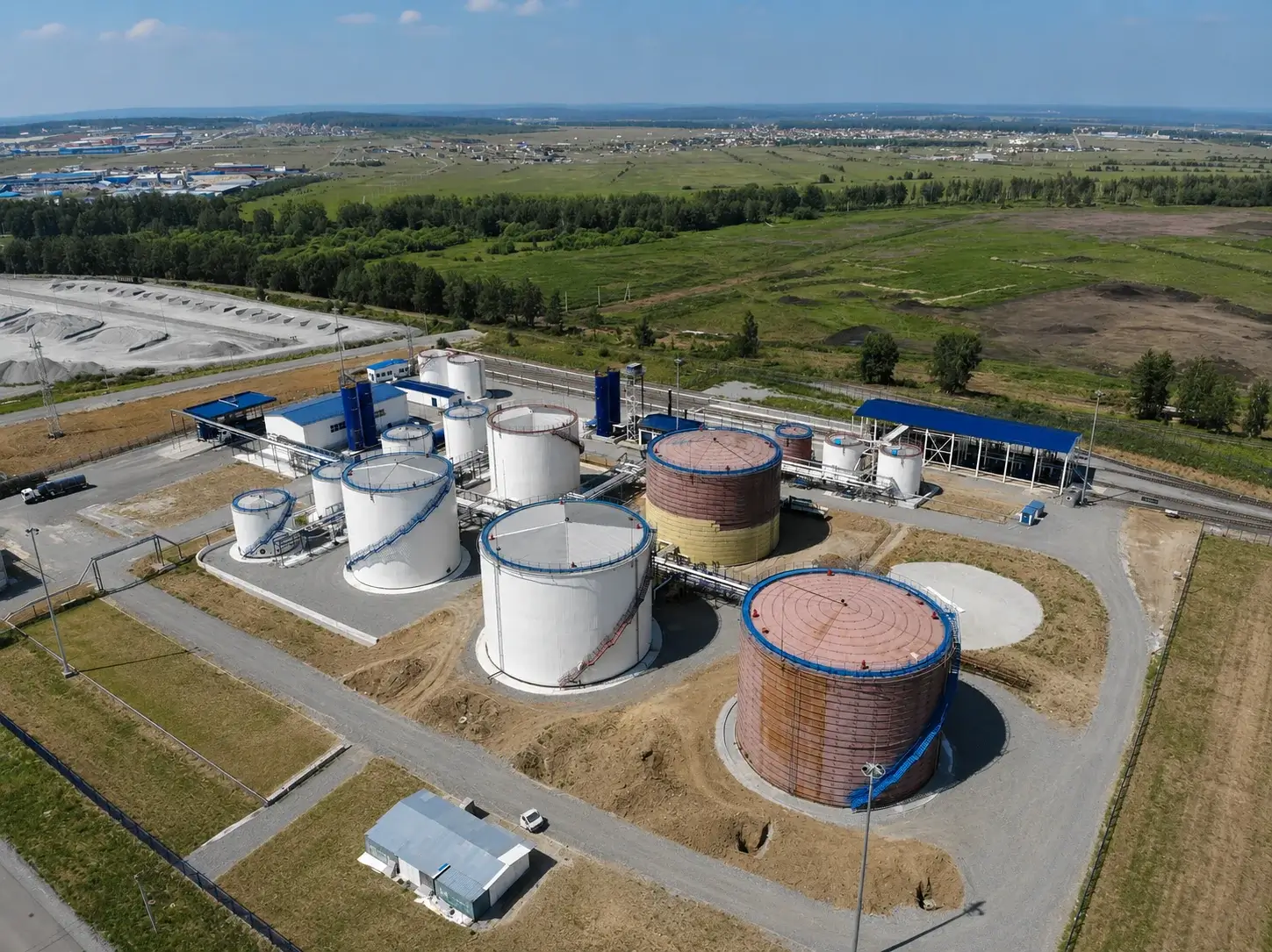
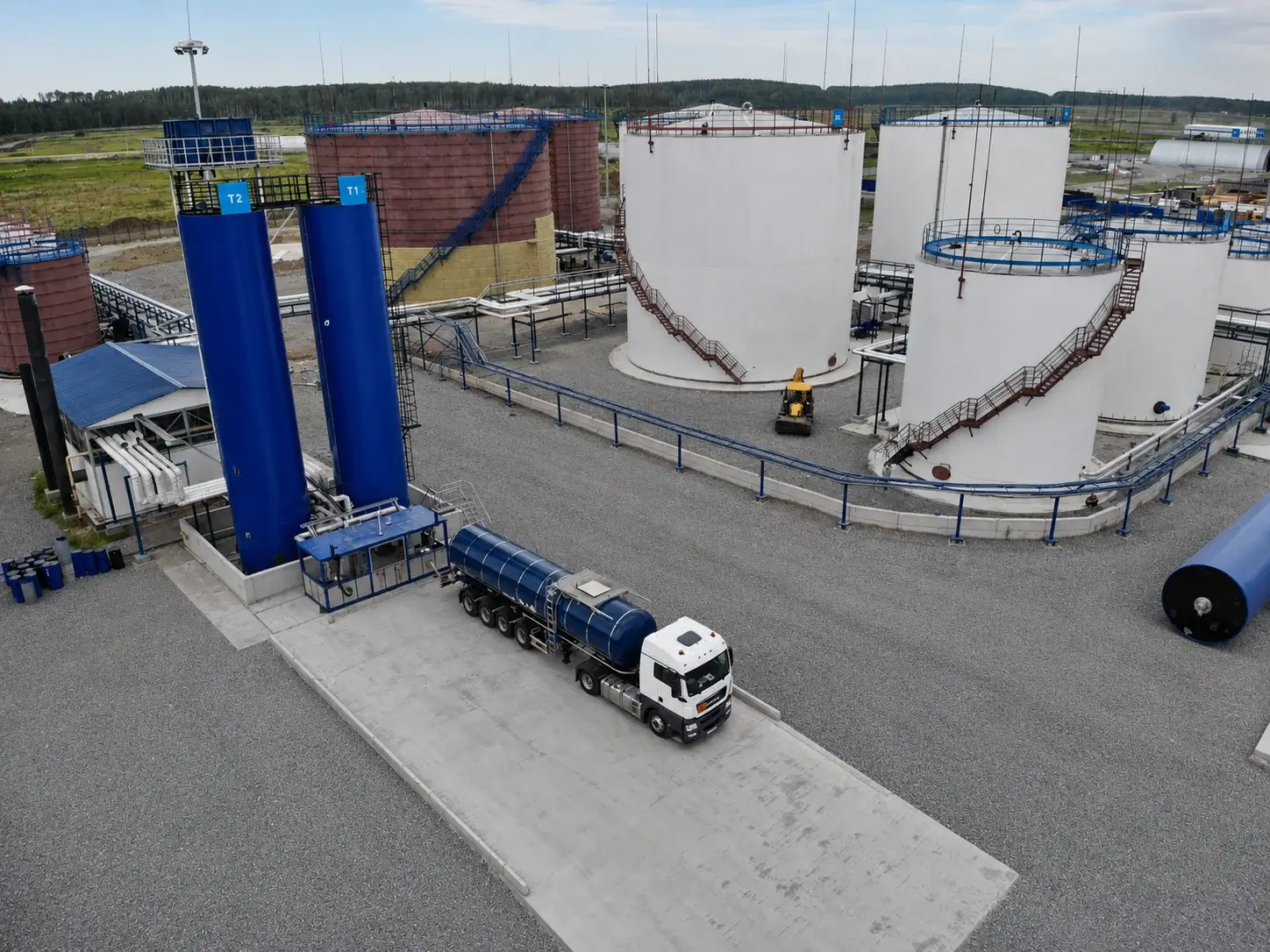
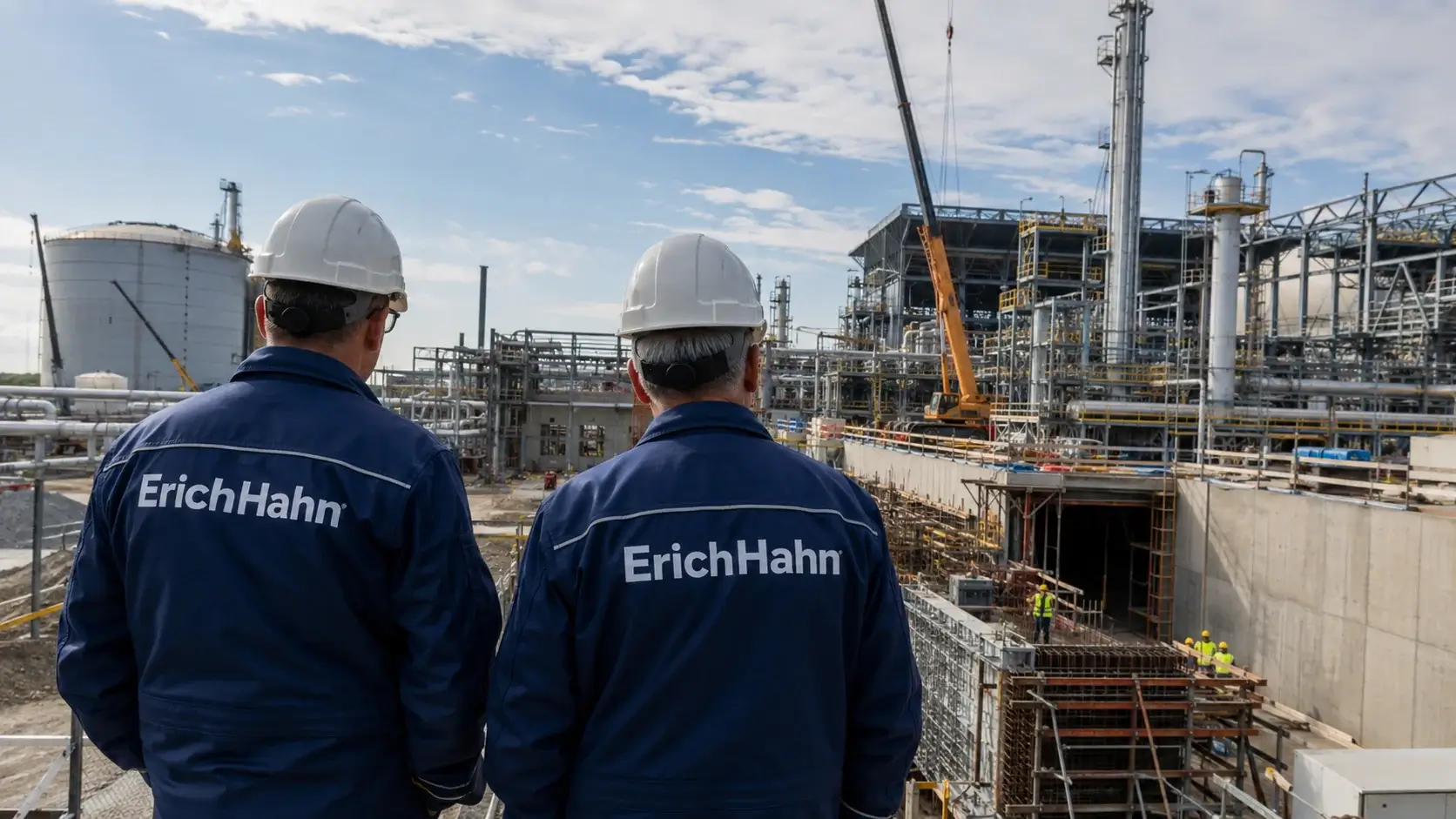
Project management covers planning, coordination of contractors, control of schedule, budget and quality. Engineering teams provide process transparency, risk management and compliance with the requirements for delivering complex infrastructure and industrial projects.
For the client, construction and process competencies in one scope mean an integrated solution in a single zone of responsibility: from design development and organization of construction to installation of utility systems, testing and commissioning. This approach increases predictability of the result, reduces organizational gaps between disciplines and gives a basis for later operation.
In practice this looks like this: one schedule, one change register, one claims scope at the joint “foundation — equipment — automation”, one commissioning certificate.
Your request has been sent successfully. Our specialist will contact you shortly.
Leave a request for a consultation and quote:
Your request has been sent successfully. Our specialist will contact you shortly.


